The short version
- Menopause is confirmed after 12 months without a period and usually happens between 45 and 55.
- Fat gain speeds up and lean mass starts to fall at the beginning of the transition, not at the final period.
- Both changes continue until about two years after the final period, then level off.
- Weight on the scale rises steadily through the forties without a sudden jump at the transition.
- Starting strength training and a higher-protein diet during perimenopause protects the muscle you would otherwise lose.
First, the terms
- Perimenopause, also called the menopause transition, is the stretch of years when periods become irregular and symptoms begin.
- Menopause is a single point in time: it is diagnosed looking back, after 12 months in a row without a period. It usually occurs between the ages of 45 and 55.2
- Postmenopause is everything after.
Need more than general advice? Our community offers professional, personalized nutrition and exercise plans. Join the Fit Over 40 community
The timeline researchers measured
The Study of Women's Health Across the Nation followed women for years with repeated body scans and lined the results up against each woman's final period.1
| Phase | Fat mass | Lean mass | Body weight |
|---|---|---|---|
| Before the transition | Rising slowly | Rising slowly | Rising steadily |
| Transition, up to about 2 years after the final period | Rising twice as fast | Falling | Rising at the same steady pace |
| Later postmenopause | Level | Level | Level |
Source: Greendale and colleagues, 2019.1
What this means for you
Two things stand out. First, the scale is a poor guide in these years. Weight climbed at the same rate before and during the transition, while the mix of fat and muscle changed a lot.1 Measure your waist as well. Our guide shows how to measure your waist.
Second, there is a window. The years of the transition are when muscle is being lost fastest, so they are when strength training pays off most.
What to do in each phase
Early perimenopause: build the habits
- Start strength training twice a week.5 The no-equipment workout needs nothing but a chair.
- Take your waist measurement as a baseline.
- Move protein toward 1.0 g per kg of body weight a day or more.6 See how much protein you need.
Late perimenopause and the first years after: hold the line
- Progress to weights. In pooled studies, women gained lean mass on programs of about three sessions a week.4 Try the full-body dumbbell workout.
- Keep aerobic activity at 150 minutes a week or more.5
- Get symptoms treated if they are costing you sleep. See hot flashes without hormones and what hormone therapy does and does not do.
Later postmenopause: keep what you built
- The rapid change is over. Muscle now follows the slower rules of aging, and training still works: exercise increased muscle and reduced fat across 101 trials in postmenopausal women.3
- Add balance work as you approach 65.5
Common questions
How much weight do women gain in perimenopause?
It varies widely, and the study that tracked body composition reported rates of change, not a single typical figure. The more consistent finding is the shift in composition: more fat and less muscle, even when weight changes little.1
Does the weight come off after menopause?
Not by itself. The rate of change levels off about two years after the final period, so things stop getting worse on their own. Losing the fat that was gained still takes changes in activity and eating.1
Is perimenopause weight gain inevitable?
The hormonal shift is, but how much fat you gain and how much muscle you lose is not fixed. Trials show exercise reduces fat and builds muscle in postmenopausal women, and there is every reason to start earlier.3
References
- Greendale GA, Sternfeld B, Huang M, et al. Changes in body composition and weight during the menopause transition. JCI Insight. 2019;4(5):e124865. https://doi.org/10.1172/jci.insight.124865
- Gonçalves C, Moreira H, Santos R. Systematic review of Mediterranean diet interventions in menopausal women. AIMS Public Health. 2024;11(1):110-129. https://pmc.ncbi.nlm.nih.gov/articles/PMC11007410/
- Khalafi M, Habibi Maleki A, Sakhaei MH, et al. The effects of exercise training on body composition in postmenopausal women: a systematic review and meta-analysis. Front Endocrinol. 2023;14:1183765. https://pubmed.ncbi.nlm.nih.gov/37388207/
- Thomas E, Gentile A, Lakicevic N, et al. The effect of resistance training programs on lean body mass in postmenopausal and elderly women: a meta-analysis of observational studies. Aging Clin Exp Res. 2021. https://doi.org/10.1007/s40520-021-01853-8
- World Health Organization. Physical activity: fact sheet. https://www.who.int/news-room/fact-sheets/detail/physical-activity
- Bauer J, Biolo G, Cederholm T, et al. Evidence-based recommendations for optimal dietary protein intake in older people: a position paper from the PROT-AGE Study Group. J Am Med Dir Assoc. 2013;14(8):542-559. https://pubmed.ncbi.nlm.nih.gov/23867520/
Every health claim above links to its source. Before publication the article was read and approved by Claudia Muresian, health psychologist, fitness coach and healthy nutrition specialist. It is general information and cannot take your personal history into account, so use it to prepare for a conversation with your own clinician.
Spotted an error? Tell us and we will check it.
Workouts to try
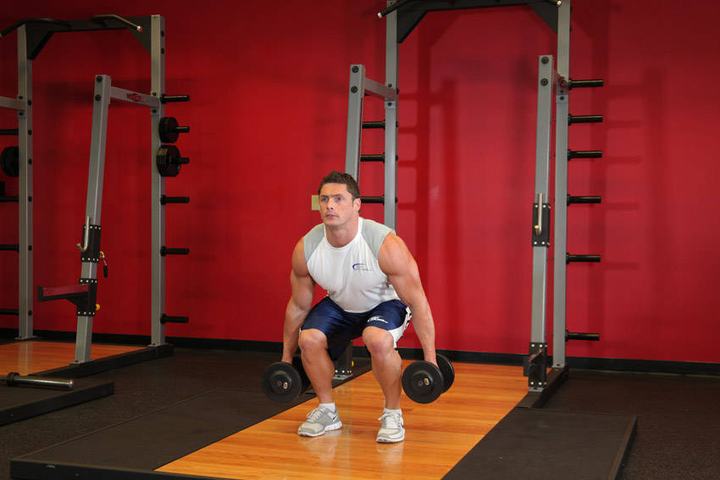 Full-body dumbbell workout for beginners30 minutes, 7 exercises
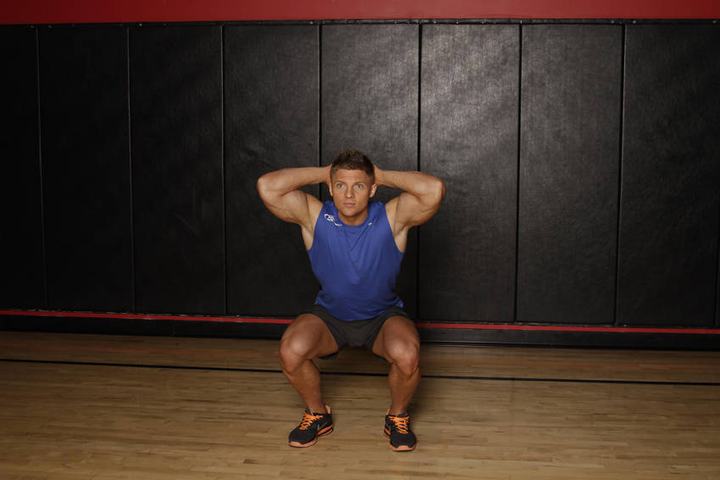 Lower body and glute workout30 minutes, 6 exercises
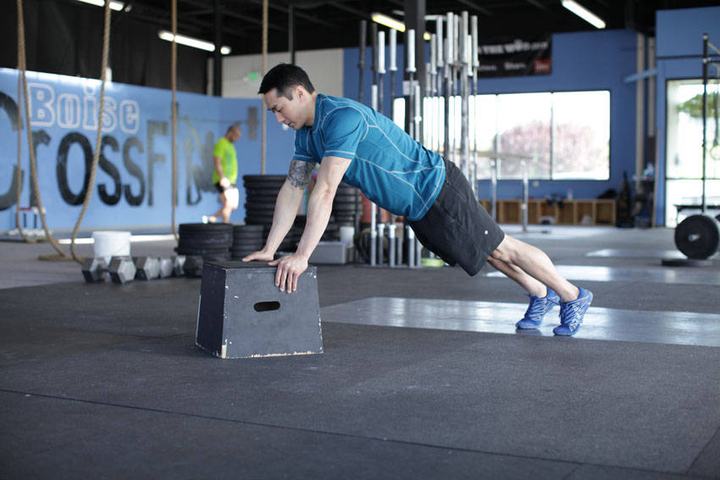 Upper body and posture workout30 minutes, 7 exercises