The short version
- The Mediterranean diet is a pattern, not a set of rules: mostly plants, olive oil as the main fat, fish and beans often, red meat and sweets seldom.
- A 2024 systematic review of trials in menopausal women found reductions in weight, blood pressure and blood fats.
- The trials are few and small, so the evidence is promising but not final.
- Observational research links closer adherence to a lower risk of becoming overweight and to milder menopausal symptoms.
- It works best with fewer calories overall and regular physical activity.
What the pattern is
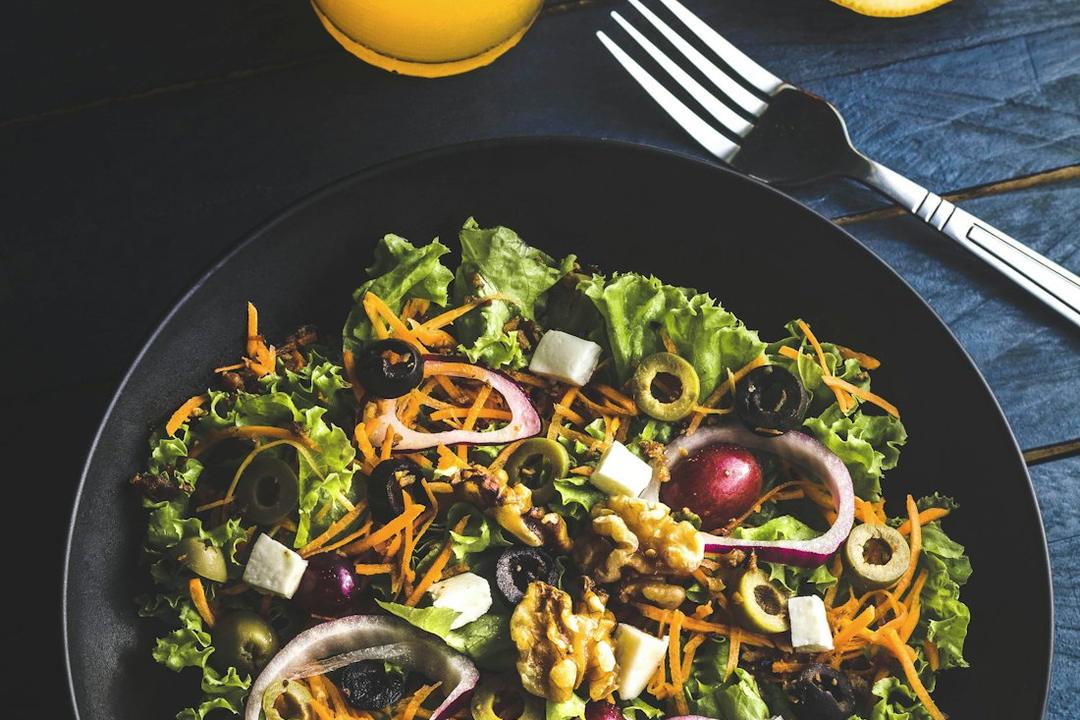
Researchers describe the Mediterranean diet by its typical foods: extra-virgin olive oil, vegetables, fruit, legumes, nuts and whole-grain cereals, with less saturated animal fat.2,3
| Eat most days | Eat a few times a week | Eat seldom |
|---|---|---|
| Vegetables and salad | Fish and seafood | Red and processed meat |
| Fruit | Eggs | Sweets and pastries |
| Beans, lentils, chickpeas | Poultry | Sugary drinks |
| Whole grains | Yogurt and cheese | Refined snacks and fast food |
| Olive oil, nuts and seeds | Butter and cream |
Need more than general advice? Our community offers professional, personalized nutrition and exercise plans. Join the Fit Over 40 community
What the research in menopausal women shows
A systematic review published in 2024 searched for trials that tested a Mediterranean diet in menopausal women. Only a small number met the criteria. Taken together, they suggest the diet can reduce weight, blood pressure, triglycerides, total cholesterol and LDL cholesterol.1
Two earlier reviews reached similar conclusions from a wider range of studies. One noted that closer adherence in menopause is associated with a lower risk of becoming overweight or obese, a better cardiometabolic profile and an improvement in menopausal symptoms, while stressing that larger trials are still needed.3 The other pointed out that no dietary guidelines exist specifically for weight management in menopause, which is why the authors proposed the Mediterranean diet as a practical framework.2
Why it suits this stage of life
- It is filling. Fiber from vegetables, beans and whole grains keeps you full on fewer calories.
- It protects the heart. Heart disease risk rises after menopause, and the pattern replaces saturated fat with unsaturated fat.2
- It is sustainable. Reviewers highlight that people can keep it up long term because the food is enjoyable.3
Start this week
- Switch your main cooking fat to extra-virgin olive oil.
- Eat fish twice. Try baked salmon with roast vegetables and sardines on toast.
- Make two dinners from beans or lentils, such as chickpea and spinach curry or red lentil soup.
- Fill half your plate with vegetables at lunch and dinner.
- Swap one sweet snack a day for fruit and a handful of nuts.
The 7-day meal plan follows this pattern while keeping protein high.
Food is half of it
In the reviews, the diet did most when combined with eating somewhat less overall and with physical activity.3 Across 101 trials, exercise on its own reduced body fat and waist size in postmenopausal women.4 See our workout plans for where to begin.
Common questions
Do I have to drink red wine?
No. Wine appears in descriptions of the traditional pattern, but it is not a requirement and nobody should start drinking for health reasons. Alcohol disturbs sleep and adds energy without nutrients.
Is the Mediterranean diet low carb?
No. It includes whole grains, beans, fruit and potatoes. What it limits is refined grains, sugary drinks and sweets.
How quickly will I see a difference?
The trials in the 2024 review ran for weeks to months, and results varied. Give a new way of eating at least three months, and track your waist as well as your weight.1
References
- Gonçalves C, Moreira H, Santos R. Systematic review of Mediterranean diet interventions in menopausal women. AIMS Public Health. 2024;11(1):110-129. https://pmc.ncbi.nlm.nih.gov/articles/PMC11007410/
- Barrea L, Pugliese G, Laudisio D, et al. Mediterranean diet as medical prescription in menopausal women with obesity: a practical guide for nutritionists. Crit Rev Food Sci Nutr. 2021;61(7):1201-1211. https://pubmed.ncbi.nlm.nih.gov/32329636/
- Pugliese G, Barrea L, Laudisio D, et al. Mediterranean diet as tool to manage obesity in menopause: a narrative review. Nutrition. 2020;79-80:110991. https://pubmed.ncbi.nlm.nih.gov/32979767/
- Khalafi M, Habibi Maleki A, Sakhaei MH, et al. The effects of exercise training on body composition in postmenopausal women: a systematic review and meta-analysis. Front Endocrinol. 2023;14:1183765. https://pubmed.ncbi.nlm.nih.gov/37388207/
Every health claim above links to its source. Before publication the article was read and approved by Claudia Muresian, health psychologist, fitness coach and healthy nutrition specialist. It is general information and cannot take your personal history into account, so use it to prepare for a conversation with your own clinician.
Spotted an error? Tell us and we will check it.
Recipes to try
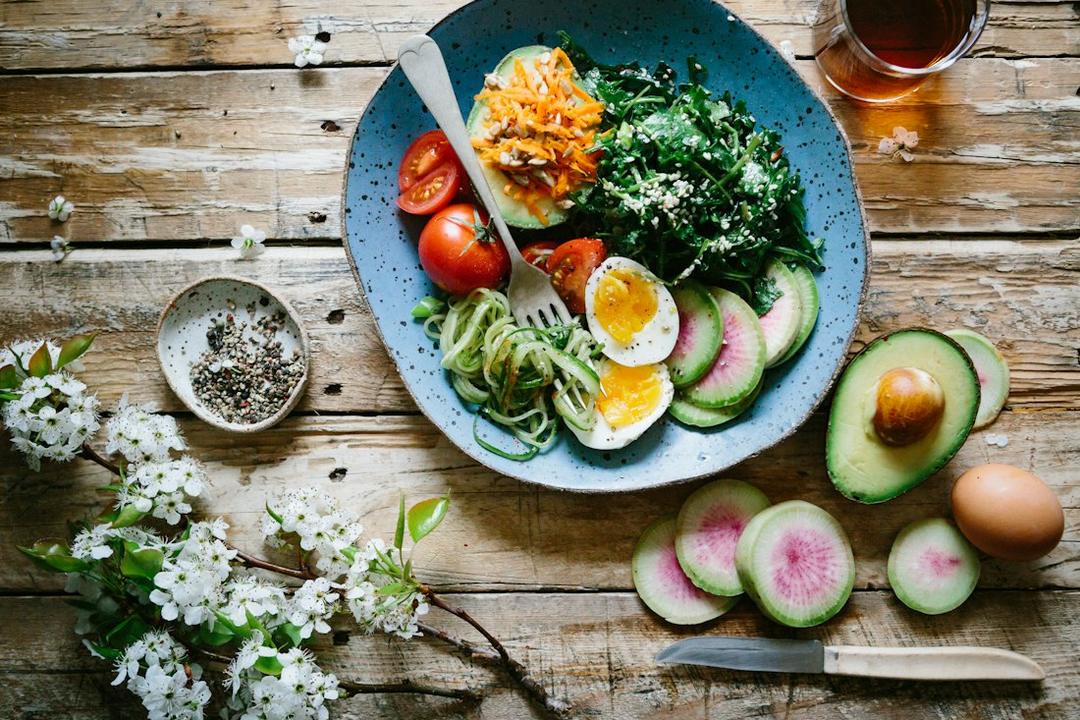 High-protein breakfast ideas for menopause6 recipes
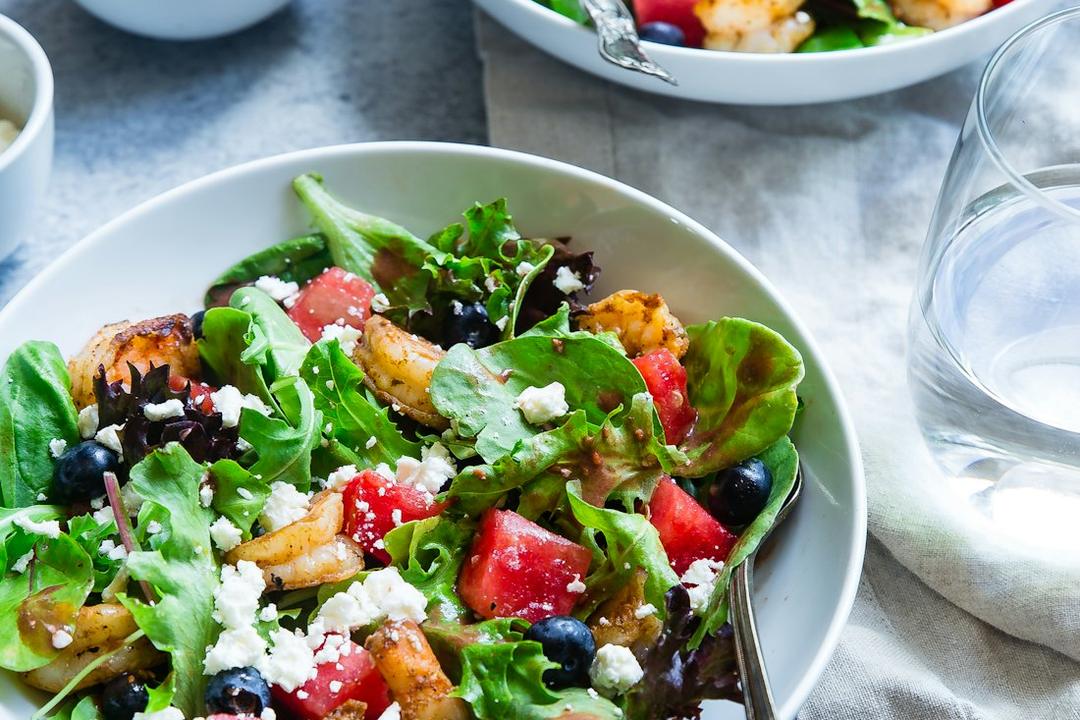 Easy high-protein lunches6 recipes
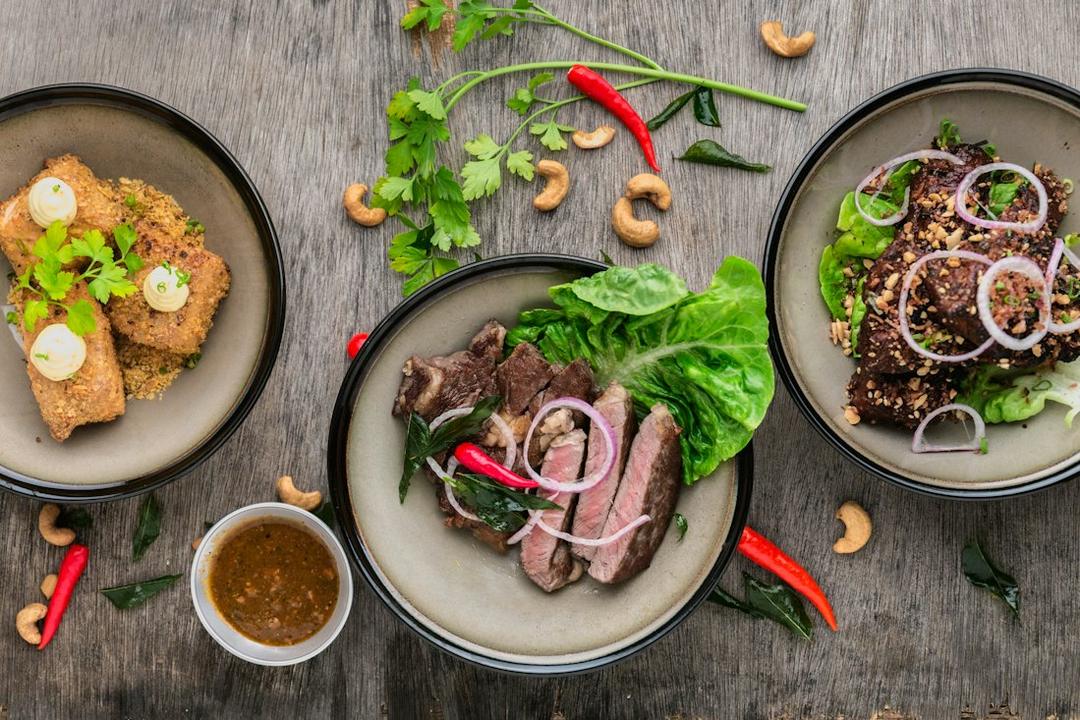 Simple healthy dinners for women over 406 recipes